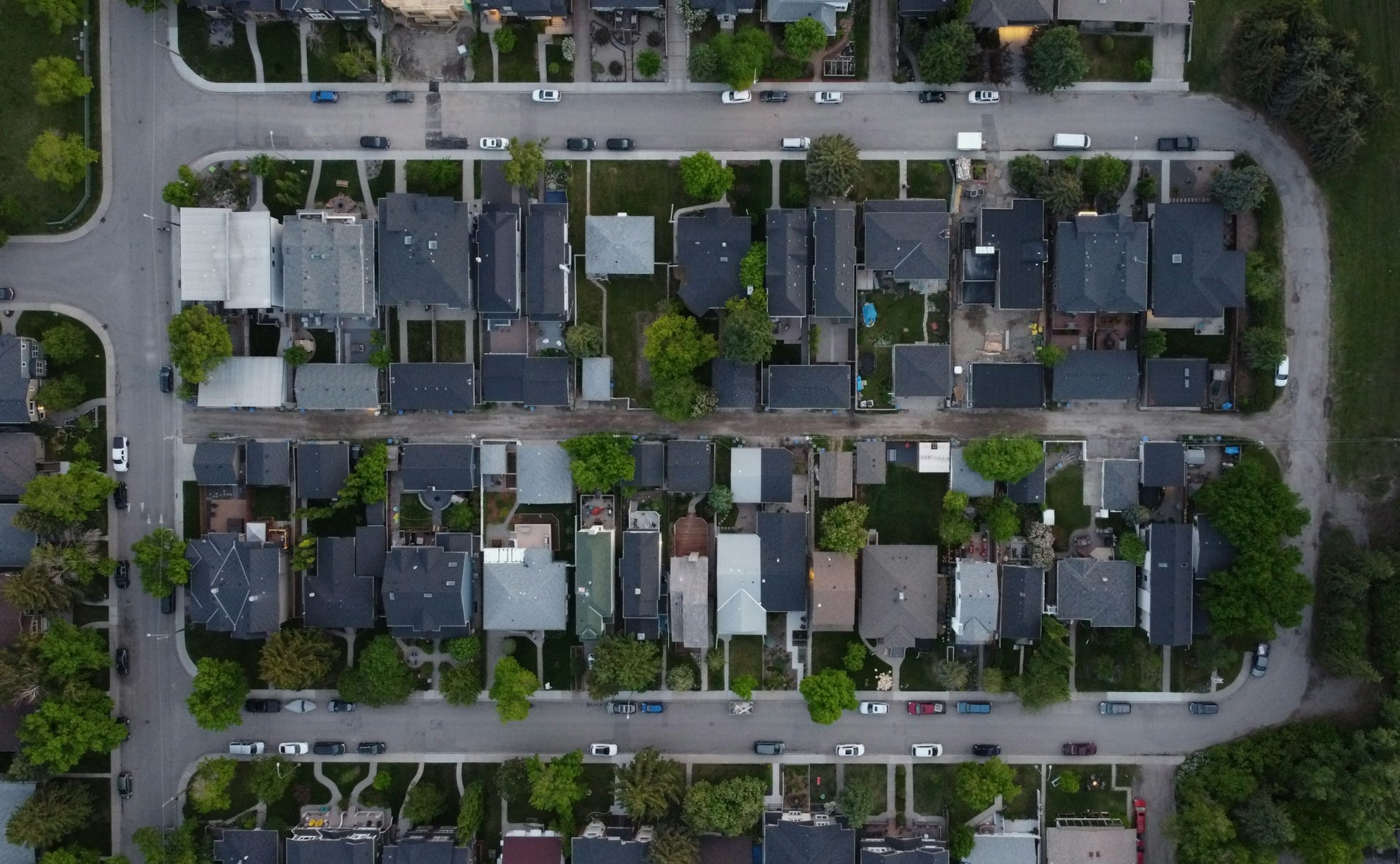
When a property falls into severe neglect, the impact spreads quickly. Streets feel less safe, neighbors lose trust, and daily life becomes stressful for everyone nearby. Community-focused receivership solutions offer a structured way to step in when traditional ownership fails to protect people and shared spaces. Instead of allowing decline to continue, this approach restores order and supports healthier social environments.
Property receiverships are often discussed in legal or financial terms. However, their social value deserves equal attention. By improving safety, accountability, and communication, receiverships help communities reconnect and rebuild confidence. These benefits reach families, seniors, local businesses, and anyone who calls the neighborhood home.
How neglected properties disrupt everyday social life
Neglected buildings rarely stay neutral. Broken windows, poor lighting, and visible decay send a signal that no one cares. As a result, neighbors avoid certain streets, children lose safe places to play, and casual interaction fades.
Over time, this isolation weakens social bonds. People stop talking to each other and stop reporting problems. Stress becomes part of daily life. Receiverships help reverse this pattern by addressing physical neglect that causes social withdrawal in the first place.
Why does clear responsibility reduce neighborhood tension?
Unclear ownership creates frustration. Residents complain, but no one responds. Owners argue or disappear. Local agencies struggle to enforce standards. This confusion fuels anger and blame between neighbors and institutions.
Receiverships establish one clear point of responsibility. A court-appointed manager oversees repairs, safety, and daily operations. Because of this clarity, communication improves. People know who to contact and what to expect. As a result, tension drops and cooperation becomes possible again.
Safety improvements support emotional well-being.
Feeling safe affects how people live, think, and interact. Poorly maintained properties increase fear, even when crime rates are low. Dark hallways, broken locks, and unmanaged activity create constant anxiety.
Receiverships focus first on safety basics. Lighting improves, entrances are secured, and hazards are removed. These changes reduce fear quickly. When people feel safer, stress levels fall, and emotional health improves. Families feel more comfortable letting children outside. Seniors regain confidence as they move around their neighborhood.
Visible action rebuilds trust in local systems.
Many residents near problem properties feel ignored after years of complaints. They lose faith in owners and in public systems meant to protect them. This loss of trust damages civic engagement.
Receiverships change that story through visible action. Repairs begin. Cleanups happen. Oversight becomes consistent. Amid many recovery efforts, neighborhood trust is restored as people see results rather than promises. This visibility encourages residents to re-engage and believe that change is possible.
Improved environments encourage positive behavior.
The environment shapes behavior more than many people realize. Disorder invites conflict, while order supports cooperation. When properties lack rules or enforcement, unsafe behavior often follows.
Receiverships introduce structure. Clear rules apply to everyone. Maintenance stays consistent. As conditions improve, behavior often follows. Tenants respect shared spaces more. Visitors follow boundaries. Neighbors feel safer interacting outside. These shifts strengthen social norms and reduce conflict.
Reduced isolation as shared spaces recover
Abandoned or dangerous buildings break the flow of community life. People avoid sidewalks, parking areas, or shared spaces near these sites. Over time, neighbors stop seeing each other.
When receiverships restore usability, shared spaces come back to life. Walkways feel safer. Entryways look welcoming. People start greeting each other again. These small interactions rebuild connections and reduce loneliness, especially for seniors and people living alone.
Protection for vulnerable residents and families
Neglected properties often house people with limited options. Low-income families, elderly tenants, and individuals with disabilities may feel trapped in unsafe conditions. Fear of eviction or retaliation keeps many silent.
Receiverships protect these residents by enforcing basic standards without relying on individual complaints. Repairs happen because they are required. Safety improves because it must, which strengthens tenant safety protection across the property. This fairness supports dignity and stability for people who might otherwise remain at risk.
Stronger collaboration between agencies and communities
Receiverships often require cooperation between courts, housing agencies, inspectors, and service providers. This collaboration improves social outcomes. Instead of acting in isolation, groups align around shared goals.
When agencies work together, they can address both physical and social needs. Repairs may pair with tenant support or mediation. This balanced approach reduces harm and improves long-term outcomes for residents and neighborhoods.
Community pride grows as conditions improve.
Visible neglect affects how people feel about where they live. Shame and frustration replace pride. Residents may disengage emotionally from their neighborhood.
As receiverships restore order, pride returns. Clean buildings, working systems, and consistent care signal respect for the area. People feel motivated to invest emotionally again. Pride strengthens identity and encourages neighbors to take shared responsibility.
Better communication supports healthier relationships.
Conflict often grows when communication fails. Receiverships improve communication by creating clear channels for updates and concerns. Regular notices, meetings, or posted timelines help residents stay informed.
Because of this transparency, misunderstandings decrease. People feel included rather than ignored. Healthy communication supports healthier relationships between residents, managers, and local agencies.
Long-term stability builds social resilience.
The actual social value of receiverships appears over time. Short-term fixes matter, but lasting stability matters more. When properties remain safe and managed after oversight ends, communities gain confidence in the future.
In the final phase of recovery, long-term community stabilization ensures that social progress does not fade. Maintenance routines continue. Expectations stay clear. Engagement remains active. Stability becomes regular rather than temporary.
How social benefits extend beyond one property
One stabilized property often influences the surrounding area. Reduced fear encourages foot traffic. Businesses see more customers. Neighbors feel safer investing time and care into their surroundings.
These ripple effects strengthen the entire neighborhood. Social health improves block by block as stability spreads. Receiverships can act as starting points for broader renewal without forcing rapid change.
Why social outcomes matter as much as physical repairs
Physical repairs fix structures, but social repair fixes lives. Safety, trust, and connection shape how people experience their community every day. Receiverships address both by linking accountability with care.
When people feel heard and protected, they engage more. They support each other. They participate in local life. These outcomes define true success far more than fresh paint or new fixtures.
Final thoughts on building healthier communities
Property receiverships are often seen as legal tools, but their social impact runs deeper. By restoring safety, clarity, and accountability, they help communities heal from neglect. They reduce fear, rebuild trust, and support connection.
When used thoughtfully, receiverships become instruments of social good. They turn problem properties into foundations for healthier, more connected neighborhoods where people feel respected, safe, and supported.